Embracing Mortality in a Digital Age: How One Story Illuminates the Path Ahead
Death is one of life's most universal yet deeply personal experiences. Despite its inevitability, many of us shy away from conversations about mortality, often leaving our loved ones unprepared and our own wishes unspoken. But what if embracing the topic of death could lead to a richer, more intentional life?
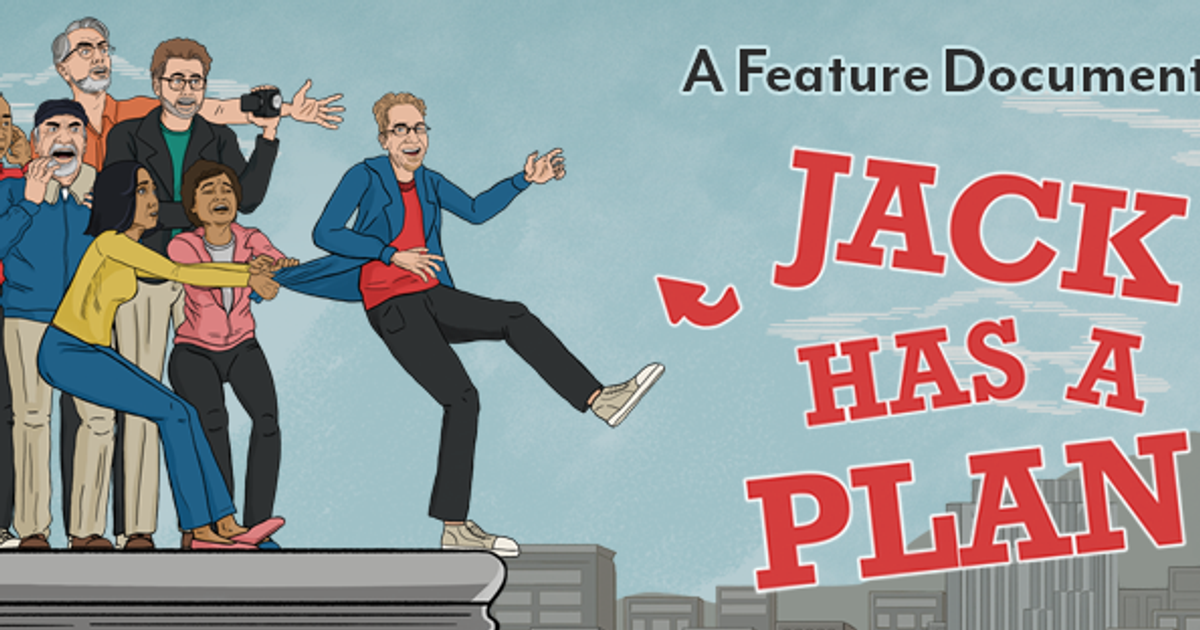
In a recent episode of the Digital Legacy Podcast, we explored this profound subject through the lens of a remarkable documentary. The story of Jack, as depicted in the film Jack Has a Plan, offers an intimate look at how one family navigated the challenges of terminal illness with grace, humor, and an unwavering commitment to living fully until the end.
The Jack Has a Plan Documentary: A Story of Courage and Clarity
The Jack Has a Plan documentary follows Jack Tuholske, a man diagnosed with a terminal illness, as he decides to face his mortality head-on. Rather than retreating into denial or despair, Jack creates a plan—a comprehensive approach to end-of-life that encompasses his medical wishes, the distribution of his belongings, and even his funeral arrangements. His approach is both practical and deeply moving, providing a roadmap for his family and friends to follow.
What makes Jack's story so compelling is the way he blends practicality with profound emotional wisdom. He doesn't just prepare documents and legal arrangements; he has candid conversations with his loved ones, addresses unresolved conflicts, and leaves behind a legacy of love and clarity. Jack's plan becomes a gift to those he leaves behind, sparing them from the uncertainty and confusion that so often accompanies loss.
Lessons from Jack's Story
Jack's journey offers several powerful lessons for anyone thinking about their own end-of-life planning:
- Start the Conversation Early: One of the most striking aspects of Jack's approach is that he begins planning while he still has time to reflect and communicate clearly. Waiting until a crisis moment can leave both you and your loved ones feeling rushed and overwhelmed. By starting early, you have the opportunity to make thoughtful decisions and share them with those who matter most.
- Make Your Wishes Known: Jack's plan is comprehensive, covering everything from medical directives to the distribution of his personal belongings. By documenting his wishes clearly, he ensures that his family won't have to guess or argue about what he would have wanted. This kind of clarity is a profound act of love.
- Embrace the Emotional Work: Planning for death isn't just about legal documents and logistics—it's also about emotional preparation. Jack's story shows us that addressing unfinished emotional business, having honest conversations, and expressing love and gratitude are just as important as any formal planning.
- Find Humor and Joy: Even in the face of terminal illness, Jack maintains his sense of humor and finds moments of joy. This serves as a reminder that embracing mortality doesn't mean succumbing to despair. It's possible to face the end of life with lightness and even laughter.
The Role of Digital Legacy in Modern End-of-Life Planning
In today's digital age, end-of-life planning goes beyond traditional wills and medical directives. Our lives are increasingly lived online, which means that our digital assets—social media accounts, email, financial accounts, and more—need to be part of the conversation. This is where tools and resources like those offered by the Digital Legacy Podcast become invaluable.
A comprehensive digital legacy plan ensures that your online presence is handled according to your wishes after you're gone. This might mean specifying who has access to your accounts, what should happen to your social media profiles, and how your digital files should be distributed or preserved.
Taking Action: How to Start Your Own Plan
Inspired by Jack's story, here are some steps you can take to begin your own end-of-life planning journey:
- Document Your Wishes: Start by writing down your preferences for medical care, funeral arrangements, and the distribution of your belongings. Even a basic document is better than nothing.
- Have the Conversation: Share your plans with your loved ones. These conversations can be difficult, but they are essential for ensuring that your wishes are known and respected.
- Address Your Digital Legacy: Take stock of your online accounts and assets. Designate someone you trust to manage them after you're gone, and document your login information securely.
- Seek Professional Guidance: Consider working with an estate attorney, financial advisor, or end-of-life planner to ensure that all your bases are covered.
- Revisit and Update: Life changes, and so should your plan. Make it a habit to review and update your end-of-life documents regularly.
A New Perspective on Mortality
Jack's story challenges us to see death not as a taboo subject to be avoided, but as a natural part of life that deserves thoughtful attention. By embracing mortality, we can live more fully, love more deeply, and leave behind a legacy that truly reflects who we are.
If you're ready to start your own end-of-life planning journey, or if you simply want to learn more about digital legacy and mortality, we invite you to explore the resources available through the Jack Has a Plan YouTube channel and listen to our full podcast discussion on the Digital Legacy Podcast. Together, we can change the conversation around death and help more people live—and die—with intention and grace.
Listen to the full episode on YouTube and start planning your legacy today.