Grief Is Sacred: Why Culturally Conscious Deathcare Is the Future
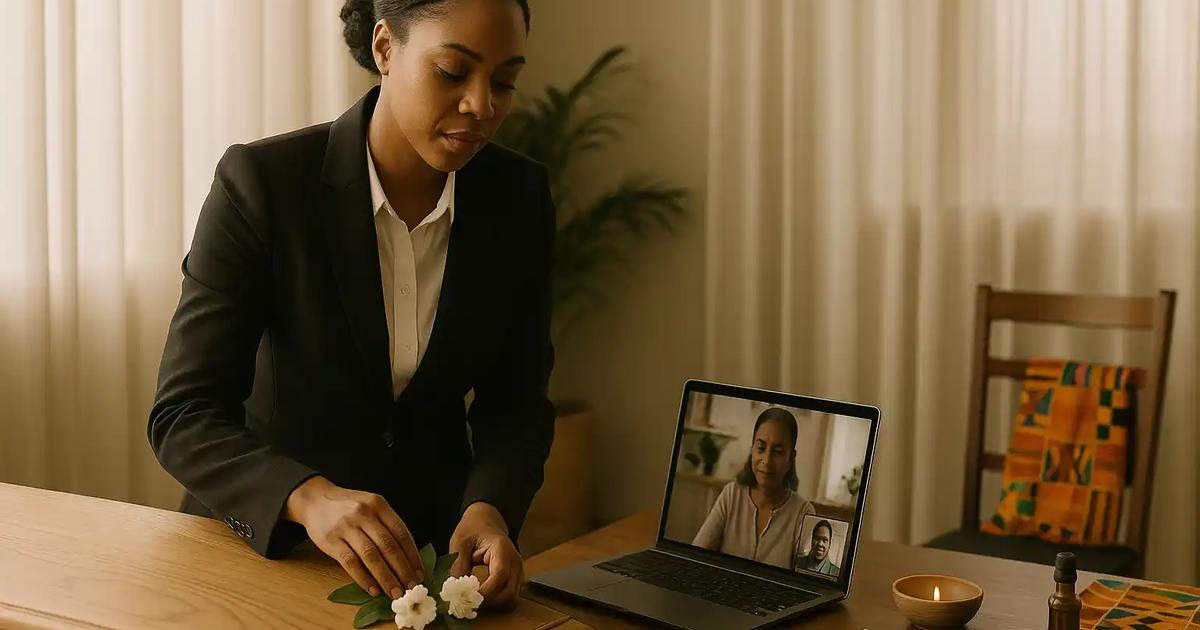
There is no roadmap for grief. Whether you face your own death or mourn someone you love, there is no single way to feel, act, or heal.
Care around death should feel human, sacred, and personal, just like life. That is why the work of Joél Simone Maldonado, also known as The Grave Woman, matters so deeply. She is changing the talk about deathcare — important for communities that have been ignored by the industry for a long time.
Grief Is Cultural, Not Clinical
Joél's mantra is simple and powerful: culture is the medicine for grief. She grew up in the Gullah Geechee tradition, surrounded by women who cared with love for the dying and the dead. Ritual, respect, and connection shaped her understanding of death, not fear.
As a funeral director and educator, she teaches that grief isn't the same for everyone. Every culture carries its own expressions of mourning, legacy, and remembrance. Honoring that diversity is not optional. It is essential.
Why Culturally Competent Deathcare Matters
In mortuary school, Joél noticed a troubling pattern. Students were taught how to care for Jewish and Christian families, and maybe a few others. But there was little to no training on how to serve communities of color with dignity and understanding.
This gap is not just theoretical. It shows up in real, painful moments. Joél shared how she once had to stop a colleague from cutting box braids off a deceased woman's head, unaware that he was also cutting her natural hair. That moment changed everything. It was not just about technical training. It was about cultural empathy.
Today, Joél runs a successful online academy where professionals learn to care for diverse communities, focusing on methods that are both technically sound and spiritually respectful.
Digital Tools Are Changing How We Grieve
Technology is transforming the deathcare space, and Joél has a balanced view of its impact. She uses tools like livestreamed funerals and digital memorial books — options that make grieving easier and more inclusive, especially after COVID. She sees the value in pre-recorded farewell messages, QR-coded headstones, and digital legacy platforms.
But not all tech is helpful. Joél once got a big offer to promote a product that used AI to recreate voices, videos, and texts of deceased loved ones. She declined. For someone in deep grief, like a mother who lost a child, that realism can bring more confusion than comfort.
Grief is sacred. Just because we can build something does not always mean we should.
Essential Oils and Spiritual Rituals Still Matter
Joél embraces modern tools, but she also values ancestral practices. For example, she uses essential oils in sacred grief work. She speaks of myrrh not just as a scent but as a balm for the spirit. Aromatherapy is not a trend for her. It is a spiritual bridge between the physical and unseen worlds.
It is not just about helping the dead transition. It is also about helping the living stay grounded through that transition.
The Role of Frequency and the Unseen
Joél believes everything holds a frequency, including emotion, memory, and grief. From scent to sound, we are always exchanging energy with the world around us. She calls AI a light language — a high-frequency tool for communication that we're just starting to grasp.
This view shows us that death, data, and dignity are linked. They are parts of a larger picture, not just separate topics.
Ethics, AI, and the Future of Grief
Joél is not anti-technology. She is pro-humanity. She wants an AI ethics committee for deathcare — a group that would guide tools used to help people in grief, including discussions around digital resurrection or AI simulations of the dead.
These are not just tech features. They are emotional experiences. They require care, boundaries, and ethical intention.
Start Where You Are, Not Where You Think You Should Be
If you are navigating grief or planning for something difficult, Joél's message is simple. Start where you are. Share your cultural needs. Explore your legacy. Talk to your family about what matters most.
You do not have to get everything right. You just need to begin. Grief is deeply personal. It is cultural. It is sacred. With the right support, it can also be a source of transformation and healing.
You can listen to Joél Simone Maldonado's full conversation with Niki Weiss on The Digital Legacy Podcast. To learn more about Joél's work and her grief care academy, visit thegravewoman.com.