How Much Does It Cost to Fly a Body Home?
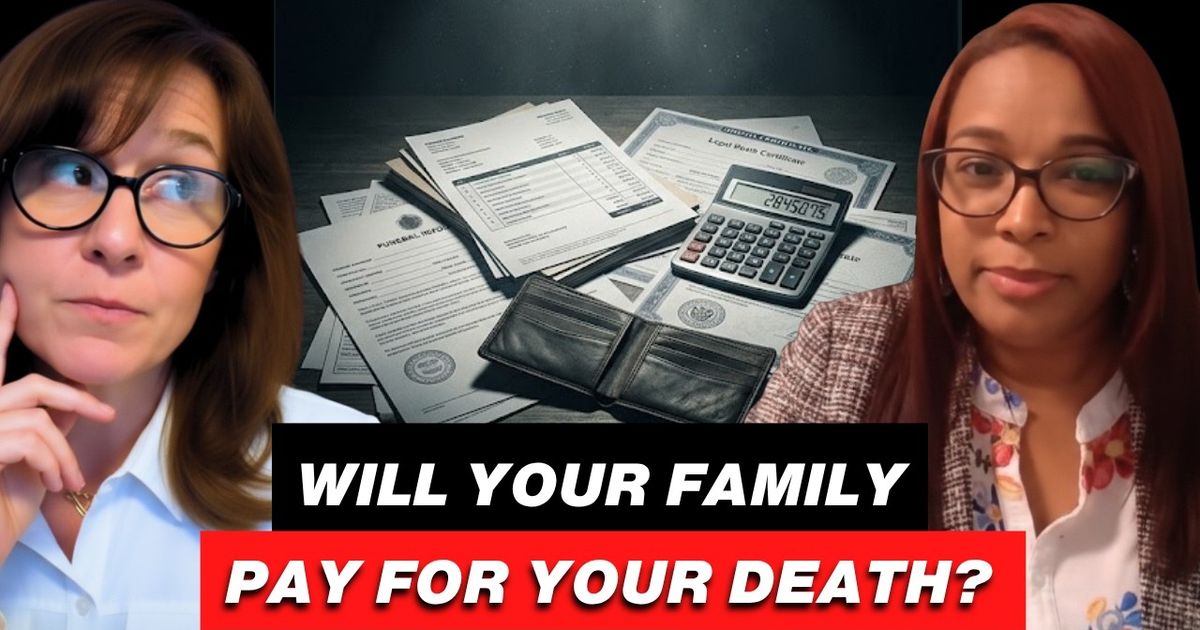
According to Philadelphia insurance agent Yris Contreras, flying a loved one's body home to a country such as the Dominican Republic or Mexico can cost somewhere between $13,000 and $14,000. That is her rough estimate, and in her experience families usually start thinking about it only after someone has died, when there is no time left to plan for it.
On this episode of the Digital Legacy Podcast, I spoke with Yris, who has been an insurance agent in Philadelphia for about 18 years and has an office in North Philadelphia. She is originally from the Dominican Republic and worked as a paralegal before moving into insurance. Her reason for coming on the show was simple: “I want to speak about the importance of being prepared.”
Why does sending a body home cost so much?
Because repatriation, as it is called, is a full funeral with steps at both ends, and families are sending the body, not ashes.
When I walked through the process as I understand it, Yris agreed. A funeral home here picks up the body. The body is embalmed. The family buys a coffin. Arrangements are made with an airline, and there are customs forms and documents, because you are in effect exporting a body. The exact requirements vary by airline and destination country.
Then the other side begins. When the body arrives in the Dominican Republic, Yris explained, a funeral home there has to pick it up and handle the service according to local rules and regulations. “It's not anyone that can just go and grab a coffin and take you,” she said.
All of that is why I always say the worst time to plan a funeral is after somebody's dead. “Unfortunately a lot of people wait,” Yris said. For more on deciding these things early, listen to my conversation on how to preplan your funeral.
Why do so many families want a loved one buried back home?
It is very common among people from the Dominican Republic, Yris said, and she knows many people from Mexico who want the same. Her own mother has told the family that when she dies, she wants to go back to the Dominican Republic, and she brings it up every time they talk about death and funerals.
Yris thinks part of the reason is family. Often only one or two people from a family migrate and build a new little family here, while the rest of their relatives stay behind. Going home means everyone there gets to see the body and say goodbye. If that is your wish, or a parent's, it needs a plan and a budget, not only a promise.
Why do so many families go without life insurance?
In the Dominican Republic, Yris told me, “We don't talk about being prepared.” Mentioning death can feel like calling it ahead of time. “It's like a taboo, nobody wants to talk about it.” When she raises life insurance, people joke about it. A man might say his wife will kill him if he gets a policy. “They're making a joke all the time,” she said. Others say they are too young, not realizing “there is not an age for that.”
Coverage through work has a catch, too. Group life insurance usually ends when you leave the job unless you choose to keep paying for it, Yris said, and many people let it go when they switch jobs. If you have coverage through your employer, ask what happens to it if you leave.
Since COVID, people “did change their mind a little bit,” she said, realizing that thinking about death is not the same as being pessimistic.
Without a policy or savings, families end up depending on relatives or asking their community for donations online. That makes no sense to Yris, who would like life insurance to be required, the way car insurance is. Her approach with clients is direct. After a conversation about auto, home or business insurance, she asks: “If you die today, if you don't make it home tonight,” who will cover the funeral?
She knows what the difference looks like. Before life insurance became her focus, she had to pay out a policy to someone she knew. A grandmother had bought life insurance for her grandson, never imagining he would die before her. When he did, she was sick and had no money. But the policy was there, and the insurer and the funeral home worked together to give him a funeral. Without it, Yris said, the grandmother would have been asking family and others for help. That was when it clicked for her: “This is important.”
What's the difference between term and whole life insurance?
Yris boiled it down: “One is like renting and one you own it.” And before anything else, she wants people to know that “it's not as expensive as a lot of people think.”
Term life is the renting. It covers you for a set period, such as 10, 15 or 20 years, and the premium stays the same during that period. She often matches it to a mortgage: if you have a 20-year loan and die before it is paid off, a 20-year term policy means the mortgage is covered. A term policy does not build up money, but it is inexpensive. Yris said term policies can be very affordable for people in their twenties and thirties.
Whole life is the owning. Yris groups whole life and universal life together as permanent policies that can build up cash value over time, with universal life offering more flexibility. After a period of time, you may be able to borrow against the policy. These policies cost more and are harder to get, usually involving a medical exam and lab work. She tells people to think of one as a retirement policy if they want to get money out of it, not something that pays off in five years.
That is how Yris uses hers. She works for herself, has no regular retirement account and no children, so she pays into a universal life policy every month and treats it as her savings. I hear from solo agers all the time who wonder why they would need life insurance without kids; for some people, a policy is about more than a payout at death. Whether that makes sense for you is a question for a licensed professional who knows your finances.
Can a child be the beneficiary of a life insurance policy?
Yes, Yris said, but a minor can't receive the money directly. The rules vary by state and by policy, and a guardian, custodian or trust is often involved, so ask your insurer how it works for your policy.
She described a client who died with her children named as beneficiaries. Their father was not on the policy, so he could not collect for them without going to court, and he didn't. The money waited. When the child turned 18, he received the benefit plus the interest it had earned while the company held it. If you have young children, a trust or a named guardian or custodian may change how that works, so talk to an estate attorney.
Keep your beneficiaries current, too. “You can change your beneficiary anytime,” she said, and her company sends reminders at renewal asking whether anything has changed. For what happens when a beneficiary form and real life no longer match, read when life insurance does not pay.
How do you make sure your family can find your policy?
Tell someone. Yris was emphatic that the insurance company will not know you have died unless somebody tells them. And plenty of people never tell anyone they have a policy. “They keep it as a secret,” she said, because they believe that telling someone might make them die sooner.
If no one claims the benefit, it can eventually go to the state as unclaimed property. In Pennsylvania, she said, it goes to the state's unclaimed assets. Rules and timelines vary by state. For more, listen to my conversation about unclaimed assets when you die.
Her own fix is low-tech. She keeps what she calls a final wishes book, listing her assets, including her life insurance, who her agent is, what type of policy she has and who her beneficiary is. Hers is red. Then tell someone where it is, she advises: “Hey, I have a red book. If I die go and look for that red book.” Even if your family doesn't follow every wish, they need to know what exists. “At least have something,” she said. “At least say something.”
Frequently asked questions
How much does it cost to send a body back to the Dominican Republic or Mexico?
Yris Contreras's rough estimate is $13,000 to $14,000. The cost covers services at both ends: a funeral home, embalming, a coffin, the flight and paperwork here, and a receiving funeral home there. Ask a funeral home for a quote for your situation.
Can life insurance cover the cost of sending a body home?
A life insurance payout goes to your beneficiaries, and they can use it toward funeral costs, including sending a body home. That is the gap Yris sees most often: without a policy or savings, families turn to relatives or fundraising.
What happens if nobody claims a life insurance policy?
The insurer usually won't know you have died unless someone tells them. Yris says unclaimed benefits can eventually go to the state as unclaimed property, which is why someone you trust needs to know the policy exists.
Listen and take the next step
Watch my full conversation with Yris Contreras, Flying a Body Home Costs $14,000, on the Digital Legacy Podcast. Yris works from her insurance office in North Philadelphia.
A red book, a notebook or a digital plan: what matters is that someone knows what you have and what you want. To see what your family would need from you, and in what order, start here.
Live fully, die ready.
This article is educational and does not provide insurance, legal or financial advice. Policies and rules vary by insurer and by state, so talk with a licensed professional about your situation.